Why Families Rely on a General Dentist in Santa Clarita CA
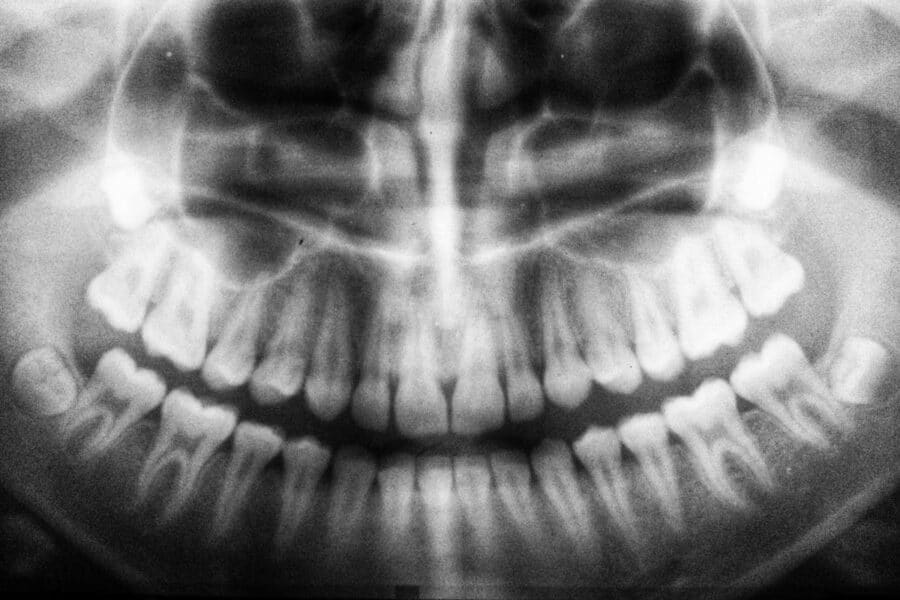
A family’s dental routine rarely stays simple for long. A toddler needs a first exam. A teenager chips a front tooth playing sports. A parent starts grinding at night after a stressful season at work. A grandparent wants to keep natural teeth healthy for as many years as possible. Over time, most households discover that convenience matters, but trust matters more. That is one reason so many families choose to build an ongoing relationship with a general dentist in Santa Clarita CA rather than bouncing between offices for every need.
General dentistry sits at the center of long-term oral health. It is where routine exams, cleanings, fillings, gum evaluations, X-rays, and preventive guidance all come together. For families, that central role has real value. Care becomes easier to manage, patterns are easier to spot, and treatment decisions are made with a fuller understanding of each patient’s history. When a dentist has seen a child grow from baby teeth to braces years to adult checkups, or has treated multiple generations in the same family, the advice tends to become more specific, practical, and grounded in context.
Santa Clarita families, like families anywhere, are busy. School schedules, commuting, sports practices, work obligations, and the ordinary unpredictability of life can turn healthcare into a logistical puzzle. Dentistry that feels organized, responsive, and consistent often becomes the difference between keeping up with preventive care and putting it off until there is pain.
The value of one dental home for the whole family
There is a noticeable difference between visiting a practice that simply provides appointments and visiting one that functions as a true dental home. In a dental home, records are complete, conversations continue from one visit to the next, and treatment planning reflects the long view rather than only the immediate complaint.
For parents, this continuity reduces the mental load. Instead of re-explaining allergies, anxieties, prior dental work, or insurance details at every visit, much of that groundwork is already in place. A child who was nervous at age five may be far more cooperative at age eight because the office, the staff, and the dentist are familiar. An adult who tends to delay treatment may be more willing to schedule a crown or periodontal maintenance visit when the recommendation comes from someone who has monitored the area over time.
That continuity also improves decision-making. A general dentist is often the first to notice subtle changes, a worn edge on a molar, a small cavity between teeth, early gum inflammation, or a bite pattern that suggests clenching. Problems caught early are usually simpler and less expensive to address. Families feel that difference quickly. What could have turned into an emergency root canal or broken tooth may instead be managed with a small filling, a night guard, or better home care.
Preventive care is where trust pays off
Many people think of dentistry in terms of treatment, but the strongest family practices earn loyalty through prevention. Cleanings and exams may look routine from the patient’s chair, yet they do a great deal of work behind the scenes. These visits create a timeline. They show whether plaque tends to build faster in certain areas, whether gums are improving or slipping, whether a child’s eruption pattern is normal, and whether habits at home are effective.
When a family sees the same dentist regularly, prevention becomes personal rather than generic. Advice can be tailored. A child with deep grooves in the back teeth may benefit from sealants earlier. A parent with dry mouth from medication may need more fluoride support and more frequent monitoring for decay. A teen wearing clear aligners may need extra coaching on hygiene because food debris and plaque behave differently when trays are worn all day.
This is often where experience matters most. Good general dentists do not hand every patient the same script. They know that one family may be diligent with brushing but weak on flossing, while another does a solid job at home yet consumes too many acidic sports drinks. Some children tolerate electric toothbrushes well. Others do better with a smaller manual brush and shorter brushing intervals. Professional judgment turns broad dental advice into something families can actually use.
Children benefit from familiarity more than adults realize
Parents often focus on whether a dentist is technically skilled, and that is appropriate, but children notice different things first. They notice tone of voice, pacing, the way a hygienist explains a tool, and whether they feel rushed or embarrassed. A child’s first impressions in the dental chair can shape behavior for years.
A general dentist who routinely sees families learns how to adapt. Some children need a slower first visit with more explanation and less instrumentation. Others are comfortable right away and do well with a standard cleaning and exam. The goal is not to make every appointment entertaining. The goal is to make it predictable, respectful, and calm.
That matters because fear has consequences. Children who become anxious about dental care are more likely to resist visits, which leads to longer gaps between checkups. Longer gaps allow small problems to grow. A tiny cavity can become a larger restoration. Gingivitis from rushed brushing can become a more entrenched habit. Families who find a dentist their children genuinely trust often hold on tightly to that relationship.
There is also practical value in having siblings seen in the same office. A dentist who notices one child has crowded lower incisors or enamel defects may pay closer attention to similar signs in a younger sibling. Family patterns exist in dentistry, just as they https://6920812394030.gumroad.com/p/what-to-expect-from-a-general-dentist-in-santa-clarita-ca do in medicine. Some are genetic, some are behavioral, and some come down to diet and routine at home.
Adults need general dentistry for more than cleanings
It is common for parents to prioritize their children’s care while postponing their own. In practice, that approach often backfires. Adult dental issues tend to compound quietly. A filling with a worn margin may not hurt until decay spreads underneath. Gum recession may seem cosmetic until sensitivity or root exposure becomes difficult to manage. Nighttime clenching can fracture enamel slowly, then all at once.
A reliable general dentist in Santa Clarita CA often becomes the professional who helps adults stay ahead of these problems before they demand bigger treatment. That can mean replacing an old filling at the right time, monitoring wisdom tooth complications, discussing snoring or airway-related grinding, or simply identifying that a patient’s bleeding gums are not normal, even if they have accepted them as routine for years.
Adults also tend to appreciate honest guidance about trade-offs. Not every cracked tooth needs the same response. Not every cosmetic concern should be treated immediately. Sometimes the right choice is to monitor a nonurgent area, especially if there are budget considerations. Sometimes waiting too long will clearly worsen the prognosis. Families often stay loyal to dentists who explain those distinctions plainly, without pressure and without minimizing the downside of delay.
Convenience matters, but only when paired with consistency
A convenient office location, flexible scheduling, and the ability to coordinate multiple family appointments in one place are major advantages. For a household managing work and school calendars, saving even an hour can be the difference between making appointments happen and canceling them.
Still, convenience by itself does not create trust. Families usually rely on a dental office long term when convenience is supported by consistency. That means the office answers questions clearly, follow-up is reliable, billing is explained before treatment, and the clinical experience feels steady from visit to visit.
Here are a few signs families tend to value in a long-term dental practice:
- Clear explanations of treatment options, costs, and timing
- Respectful communication with both children and adults
- A steady preventive plan rather than care that feels reactive
- Willingness to refer when a specialist is truly needed
- Follow-through after urgent or complex appointments
These are not flashy qualities, yet they are the ones people remember. Families can tolerate a short wait room delay or a busy parking lot. What they rarely forget is whether they felt heard, whether a child was treated with patience, and whether the dentist’s recommendations made sense over time.
General dentistry often prevents emergencies, even when families do not notice
The strongest dental relationships are sometimes invisible. A patient may think, “We just go in for checkups,” without realizing how many potential problems were prevented by those visits. Preventive dentistry lacks drama, which is exactly why it works.
Consider a common scenario. A patient has a habit of chewing ice and grinding during sleep. At one exam, the dentist notices hairline craze lines and flattening on the chewing surfaces. There may be no pain. There may be no complaint at all. A less attentive approach might simply note wear and move on. A more engaged general dentist will talk through the pattern, ask about headaches or jaw fatigue, and discuss a night guard before a cusp fractures off a molar. That small intervention can prevent a far more expensive chain of events.
The same logic applies to gum health. Mild inflammation is easy to dismiss because it often feels like nothing. Yet if bleeding gums are present visit after visit, deeper periodontal issues can develop. Families benefit when a dentist tracks those trends carefully and says, in effect, this is changing, and we should address it now.
When referrals are needed, a good general dentist guides the process
Relying on a general dentist does not mean every procedure happens in one chair. Dentistry includes specialties for a reason. Orthodontists, periodontists, oral surgeons, endodontists, and pediatric dentists all have distinct roles. The key is that a strong general dentist knows when to treat, when to monitor, and when to refer.
Families appreciate this balance. A dentist who insists on handling everything may not serve patients well. A dentist who refers too quickly for straightforward issues can create unnecessary expense and confusion. Good judgment sits in the middle.
For example, a child with a complex bite issue may need orthodontic evaluation earlier than expected. An adult with persistent tooth pain despite a normal visual exam may need endodontic testing. A patient with advanced gum loss may require periodontal care beyond routine cleanings. In each case, the general dentist often remains the coordinator, the person who explains what is happening and how the pieces fit together.
This coordination matters more than most people expect. Specialist care can feel fragmented if nobody is connecting the dots. Families tend to trust a general dentist who not only refers appropriately but also follows the case, reviews reports, and helps plan the next steps once specialty treatment is complete.
Santa Clarita families often look for practicality, not perfection
One reality of family dentistry is that perfect compliance is rare. Children miss a flossing streak. Parents reschedule. A college student comes home with retainers not worn for months. Real families are messy, busy, and occasionally inconsistent. The best general dentists understand that and work from where people are, not from an idealized standard.
That practical mindset is part of why relationships endure. Families do not need lectures. They need realistic strategies. If a child refuses mint toothpaste, there are alternatives. If a parent struggles with evening brushing because bedtime is chaotic, the dentist may suggest moving flossing to an earlier part of the routine rather than insisting it happen right before sleep. If a teen is sipping sports drinks daily, the conversation may focus on timing, rinsing, and limiting exposure rather than pretending complete elimination is likely overnight.
This kind of advice feels different because it is usable. It respects behavior, habits, and family dynamics. Over time, small adjustments often produce better health outcomes than ambitious plans no one follows.
The financial side of general dental care
Cost plays a role in nearly every family healthcare decision. Preventive dental visits are usually far easier to budget for than urgent treatment. That is one reason many households place such high value on staying established with a trusted practice. Regular exams and cleanings create opportunities to address smaller issues while they are still smaller.
A modest filling is not cheap, but it is usually more manageable than a crown, root canal, or extraction followed by replacement. Gum maintenance costs less than untreated periodontal disease. A custom night guard may feel like a discretionary expense until it prevents repeated fractures to natural teeth or restorative work.
Families also tend to prefer dental offices that are transparent. Treatment plans should be explained in plain language. If there are choices, such as monitoring briefly versus moving ahead now, those choices should be discussed honestly. If insurance has limitations, patients should hear that before treatment, not after. A dependable general dentist helps people weigh the clinical need against timing and budget without turning every conversation into a sales pitch.
What families usually notice after years with the same dentist
Long-term dental relationships produce benefits that are easy to underestimate until people experience them. Records become meaningful over time. Radiographs can be compared properly. Old restorations can be tracked. Shifts in gum levels or bite wear are easier to identify when there is history to compare against.
Families often notice these benefits in ordinary moments:
- A dentist remembers a child’s anxiety trigger and adjusts the visit without being asked
- A parent gets a same-day evaluation for sudden swelling because the office knows their history
- A teen’s wisdom teeth are monitored at the right intervals instead of addressed only after pain starts
- A grandparent’s medication changes are factored into dry mouth and decay prevention
- Siblings receive guidance that reflects shared habits and inherited risk patterns
None of this is dramatic. That is part of its strength. Reliable care usually feels steady, not spectacular. It lowers the odds of surprises. It makes treatment less intimidating. It gives families a sense that someone is paying attention across the years, not just within a single appointment slot.
Choosing a dentist is often about communication style
Clinical skill is essential, but communication style often determines whether families stay. Some patients want very detailed explanations, down to the anatomy of a crack and the pros and cons of every restorative option. Others want the plainest possible summary and a clear recommendation. Good general dentists learn how each family prefers to receive information.
This is especially important when treatment is not black and white. A watch area may remain stable for years, or it may progress. A cosmetic concern may be significant to one patient and irrelevant to another. A child’s early orthodontic issue may warrant referral now, or observation for six months. These are judgment calls, and judgment is easier to trust when the dentist communicates with clarity and restraint.
Families also notice whether a dentist listens before speaking. If a parent says a child had a bad past experience, that context matters. If an adult says they cannot numb easily, that matters too. Listening saves time, reduces fear, and often improves outcomes.
Why the general dentist remains the anchor
Even as dentistry becomes more specialized, the general dentist remains the anchor for many families. That role is not limited to cleanings and cavities. It includes prevention, early detection, risk assessment, education, coordination, and continuity. It also includes something less tangible but equally important, familiarity.
When people know who to call for a chipped tooth, a sudden ache, a sports injury, or a question about bleeding gums, they feel more in control. When children grow up seeing dental visits as ordinary healthcare rather than an event to fear, that mindset often carries into adulthood. When parents trust the guidance they receive, they are more likely to act early and keep small issues from becoming larger ones.
That is why so many households rely on a general dentist in Santa Clarita CA. The relationship simplifies care, but it does more than that. It gives families a steady point of reference across changing ages, schedules, and dental needs. In practice, that steady presence is often what keeps oral health from drifting off course.
Smyle Dental Newhall
Address: 23754 Newhall Ave, Santa Clarita, CA 91321
Phone number: +16612559200
FAQ About General dentist Santa Clarita CA
What does it mean by general dentist?
A general dentist is your primary dental care provider. They focus on the overall prevention, diagnosis, and treatment of your daily oral health needs. Think of them as your primary care doctor, but for your teeth and gums.
What is the difference between a dentist and a general dentist?
A dentist is a broad professional title for any licensed oral healthcare provider, while a general dentist is a specific type of primary care dentist who focuses on routine, preventive, and everyday treatments.
What is the difference between a dentistry practitioner and a dentist?
A dentist is a licensed doctoral-level healthcare professional, whereas a dental practitioner is a broader umbrella term that can include dentists as well as other trained oral health professionals.