Emergency Dentist Bakersfield CA for Sudden Pain From a Cracked Filling
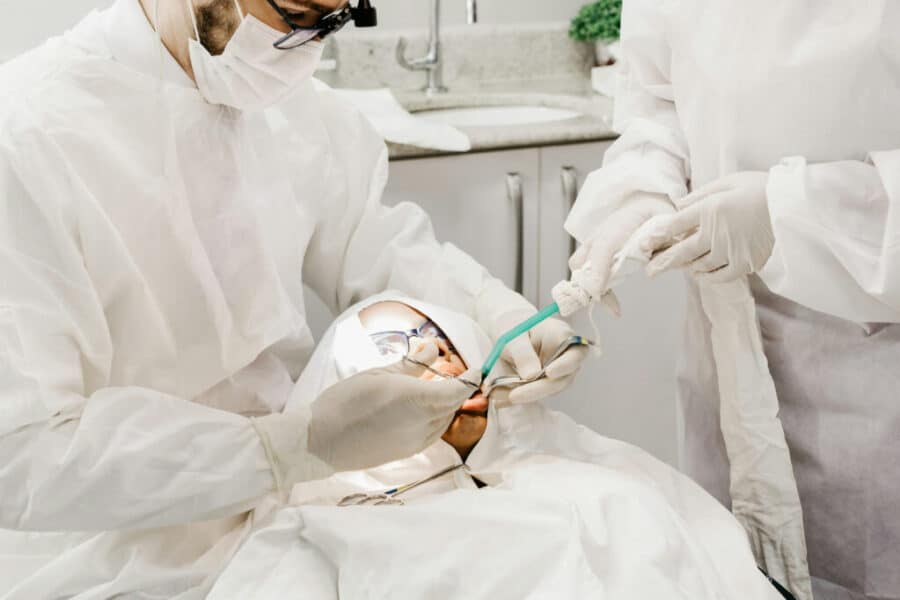
A cracked filling has a way of turning an ordinary day into a long, uncomfortable one. Many people notice it mid-meal, when a familiar chewing motion suddenly produces a sharp jolt. Others wake up with a throbbing tooth, run their tongue across it, and realize something feels rough, sunken, or unstable. What seemed like a minor dental repair can become an urgent problem fast, especially when temperature changes, pressure, or trapped food start irritating the tooth underneath.
In Bakersfield, where people often juggle demanding work schedules, family obligations, and long commutes across town, dental pain rarely arrives at a convenient time. When a filling cracks, the main question is not whether to deal with it, but how quickly. In many cases, the right next step is to contact an Emergency Dentist Bakersfield CA patients can reach promptly for a same-day or next-day evaluation. Waiting too long can turn a manageable repair into a deeper and more expensive problem.
Why a cracked filling hurts so much
A filling is meant to seal and protect a damaged area of the tooth. When it fractures, loosens, or partially falls out, the seal is broken. That exposed space can let in air, saliva, bacteria, and food debris. If the crack is small, the pain may come and go. If the break is larger, the tooth can become exquisitely sensitive to cold water, hot coffee, sweets, or biting pressure.
The discomfort comes from what lies beneath the enamel. Teeth contain living tissue, including dentin and the pulp, where nerves and blood vessels sit. A healthy filling shields those structures. A damaged one can transmit pressure and temperature directly into the tooth. Even a tiny crack may create movement in the restoration, and that movement can irritate the nerve every time you chew.
There is also the issue of distribution of force. Fillings endure thousands of chewing cycles a week. Once one edge fractures, the remaining portion may no longer bear force evenly. Patients often describe a feeling that one side of the tooth is “catching” or “giving” under pressure. That instability alone can make eating difficult.
Not every cracked filling is dramatic at first
One of the trickiest parts of this problem is that the early signs can be easy to dismiss. A person may think they simply bit down on something hard, or that their tooth is a little sensitive because of sinus pressure or grinding. Then the pain becomes more specific. It starts to hurt when chewing granola, sipping iced tea, or flossing around that tooth. Sometimes there is no severe pain at all, just a rough edge and occasional tenderness. Even then, the tooth deserves prompt attention.
A cracked filling can present in several ways. The filling may split but remain mostly in place. A corner may chip off. The material may detach from the tooth while still feeling partially stuck. Older metal amalgam fillings can sometimes create stress inside the tooth over time, contributing to cusp fractures around the restoration. Tooth-colored composite fillings may stain, wear, or separate microscopically from the surrounding tooth before the break becomes obvious.
That variation matters because symptoms do not always match severity. I have seen teeth with only modest discomfort turn out to have decay beneath the filling or a crack extending into the tooth structure. I have also seen dramatic sensitivity resolve nicely after a straightforward replacement filling. Pain is an important signal, but it is not a perfect map.
What tends to cause fillings to crack
No filling lasts forever. Some restorations hold up for many years, especially with careful hygiene and stable bite forces. Others fail earlier for reasons that have less to do with negligence and more to do with the natural wear of a repaired tooth.
Common contributors include:
- biting hard foods such as ice, nuts, hard candy, or popcorn kernels
- clenching and grinding, especially during sleep
- age-related wear of the filling material and surrounding tooth
- new decay forming around the edges of an older filling
- trauma, including a fall, sports impact, or even an accidental fork bite
What often surprises patients is that the tooth itself may be part of the problem. A large filling means the original tooth structure was already compromised. The wider that restoration, the less intact tooth remains to absorb force. Over time, the repaired area can behave more like a patched wall than an untouched one. With enough pressure, something gives.
When it crosses into a true dental emergency
Not every cracked filling demands a midnight visit, but some situations should be treated as urgent. Severe pain, visible swelling, bleeding around the tooth, or a large missing portion of the filling all raise the stakes. So does pain that lingers after cold exposure, because that can suggest deeper nerve involvement.
A good practical rule is simple. If the tooth is painful enough to change how you eat, sleep, speak, or function, it deserves urgent evaluation. If the filling cracked and left a sharp edge that is cutting your cheek or tongue, that also warrants fast care. If part of the tooth broke off with the filling, time matters even more.
An Emergency Dentist Bakersfield CA residents trust will usually focus first on three questions: Is the tooth restorable, is the nerve inflamed or infected, and is the bite now unstable? Those answers guide whether you need a new filling, a crown, a protective temporary restoration, root canal treatment, or in some cases extraction of a severely damaged tooth.
What to do before you can get into the office
The window between the moment a filling breaks and the moment you sit in a dental chair can feel longer than it is. A few calm, practical steps can make that time safer and less painful.
- rinse gently with warm salt water to clear debris and soothe irritated tissue
- avoid chewing on that side, especially hard, sticky, or very hot or cold foods
- use an over-the-counter pain reliever if you normally tolerate it and it is appropriate for you
- if a sharp edge is rubbing tissue, temporary dental wax or sugar-free gum can cover it briefly
- call for an urgent dental appointment and describe the symptoms clearly, especially swelling or severe pain
There are also a few things worth avoiding. Do not glue the piece back in place with household adhesive. Do not place aspirin directly on the gum, which can burn soft tissue. Try not to test the tooth repeatedly with your tongue or by biting down “just to see if it still hurts.” That usually increases irritation.
If the filling piece has come out intact, keep it. In many cases it will not be reused, but it can still help the dentist understand what failed and how. If a child or older adult is involved, make sure they do not accidentally swallow or discard the fragment.
What an emergency dental visit usually looks like
When people hear the word emergency, they often imagine dramatic procedures. In reality, the first visit for a cracked filling is often focused, efficient, and diagnostic. The dentist will ask when the symptoms started, what triggers the pain, whether the tooth hurts spontaneously, and whether there has been swelling, fever, or trauma. X-rays are commonly taken, though some cracks do not show clearly on radiographs. Bite tests, percussion tests, and cold testing help clarify whether the nerve is simply irritated or more seriously compromised.
The examination often reveals one of several patterns. Sometimes the filling itself is broken, but the remaining tooth is healthy enough for a replacement filling. Sometimes decay has developed underneath, meaning old material and softened tooth structure must be removed before a new restoration is placed. If too much tooth is missing, a crown may be more reliable than another direct filling. In more advanced cases, the nerve has become inflamed beyond recovery, and root canal treatment is the best path to save the tooth. If the crack extends too far below the gumline or the tooth has split vertically, saving it may not be realistic.
This is where clinical judgment matters. A large replacement filling can be cheaper in the short term, but not always wiser. On a heavily loaded molar with broad loss of structure, a crown often offers better longevity because it wraps and protects the remaining tooth. That recommendation is not upselling when it is properly indicated. It is risk management based on biomechanics.
The difference between a filling that can be replaced and a tooth that needs more
Patients understandably ask whether the dentist can “just patch it.” Sometimes yes. Sometimes no, and the reason has to do with what remains after the damaged material is removed.
If the surrounding tooth walls are thick and intact, and the broken area is moderate in size, a replacement filling can work well. Tooth-colored composite materials bond nicely in many of these situations and can be completed in one visit. If the fracture is deeper, if a cusp has broken, or if the old filling covered most of the chewing surface, a crown often becomes the more durable choice.
There is also a gray zone. Some teeth present with borderline symptoms. The nerve may be irritated but not irreversibly damaged. The dentist may recommend treating the restoration first, then watching how the tooth responds over days or weeks. If symptoms settle, no root canal is needed. If pain lingers, intensifies, or wakes you at night, the nerve may have crossed the line. This uncertainty can frustrate patients, but it is honest dentistry. Not every tooth declares its future on day one.
Bakersfield-specific considerations patients often face
Bakersfield patients often deal with schedules that make preventive care harder than it should be. Agricultural work, oil and industrial shifts, transportation constraints, and long days outdoors can all push dental symptoms down the priority list. That delay is understandable, but a cracked filling rarely improves on its own. Dry mouth from heat exposure, frequent sports drinks, and night grinding related to stress can all add to the wear on restorations.
Another practical factor is access timing. If you are searching for an Emergency Dentist Bakersfield CA offices may vary widely in same-day availability, hours, and ability to handle both simple and more complex restorative problems. Some practices can provide immediate temporary stabilization but refer out for root canal treatment. Others can manage diagnosis, restoration, and follow-up under one roof. Asking the right questions on the phone can save time and discomfort.
It helps to ask whether the office sees emergency patients the same day, whether digital X-rays are available on-site, and whether they commonly treat broken fillings, broken teeth, and acute dental pain. A front desk team that asks good symptom questions is often a positive sign. They should want to know about swelling, trauma, fever, and whether the pain is constant or triggered.
Why delaying care can make a small repair expensive
A cracked filling creates a breach, and mouths are not passive environments. Saliva, bacteria, acids, and chewing forces are at work all day. What starts as a broken edge can become recurrent decay. What begins as sensitivity can become pulpal inflammation. What might have been managed with a filling can become a crown, root canal, or extraction if the tooth fractures further.
There is also the issue of bite compensation. When one tooth hurts, people shift chewing to the other side. Over a short time that is not a disaster, but over days or weeks it can trigger soreness in the jaw muscles, overuse of opposite-side teeth, and irritation of an already tight bite. Patients who clench at night sometimes spiral into a cycle where the broken tooth hurts, they grind more because they are stressed, and the tooth deteriorates further.
The financial side matters too. Dentistry is often less expensive when problems are caught early. A straightforward replacement filling typically costs less than a full-coverage crown, and both usually cost less than root canal treatment plus a crown. If the tooth cannot be saved, replacing it with an implant or bridge involves far more time and money than preserving the original structure.
Pain control, and why home remedies have limits
People often ask whether they can wait a few days and manage with clove oil, warm rinses, or anti-inflammatory medication. Those can help with symptoms, but they do not solve the mechanical problem. If the filling is loose, the tooth is still exposed. If decay is underneath, it is still active. If the bite is landing on a fractured edge, each meal can worsen the damage.
Over-the-counter pain medicine may reduce inflammation and make sleep possible. That is useful, especially if the break happens at night or over a weekend. Temporary filling material sold at pharmacies can occasionally protect a spot for a short period when used carefully. Still, these are bridge measures, not treatment. The real work is diagnosis, cleaning out compromised material, sealing the tooth again, and deciding whether the nerve and tooth structure are sound enough to keep.
One clinical reality worth mentioning is that pain severity can change hour to hour. A patient may have intense zinging pain with cold in the morning, then almost nothing by afternoon. That does not always mean the tooth is healing. Sometimes inflamed pulps fluctuate. Sometimes the nerve is becoming less responsive for worse reasons. If the tooth has been acutely symptomatic, do not let a brief quiet period talk you out of evaluation.
What recovery usually feels like after treatment
Once the filling is replaced or the tooth is otherwise stabilized, many people feel immediate relief from the sharp, exposed sensation. Mild tenderness when biting for a day or two is not unusual, especially if the dentist had to remove old material or adjust the bite significantly. If the nerve was irritated but still healthy, temperature sensitivity may fade over several days or a couple of weeks.
Crowns and more extensive restorations can involve a temporary phase, depending on the office workflow and material selected. During that period, the tooth may feel better than before but still somewhat aware. That is normal. The concern is persistent throbbing, swelling, worsening pain, or inability to chew even lightly after treatment. Those symptoms deserve follow-up rather than watchful hope.
A bite that feels “high” after a restoration should also be addressed promptly. It can seem minor at first, but even a small discrepancy can make a recently treated tooth sore. A quick adjustment often solves the problem.
How to reduce the chance of another cracked filling
The best prevention is not glamorous. It is consistency. Regular exams help dentists spot worn margins, recurrent decay, and stress fractures before they become painful emergencies. Nightguards can be a worthwhile investment for grinders, particularly those who already have multiple large fillings or crowns. Being selective about hard foods matters more than most people think. Ice chewing, in particular, is a frequent culprit.
Material choice can matter as well. Composite fillings offer good esthetics and bond to tooth structure, but their longevity depends on size, location, moisture control during placement, and bite load. Amalgam has a long track record in certain back teeth, though it is used less often than in the past. Crowns, onlays, and other indirect restorations can provide better reinforcement when damage is extensive. There is no one-size-fits-all answer. The right treatment balances function, cost, tooth anatomy, and long-term risk.
Patients with dry mouth, acid reflux, heavy soda intake, or frequent snacking have another layer to manage. Restorations fail faster in a hostile oral environment. Saliva protects teeth more than most people realize. When it is reduced, decay risk climbs, and the margins around old fillings become more vulnerable.
The real priority is protecting the tooth while it can still be saved
A cracked filling is easy to underestimate because the material itself is small. But the pain comes from what that failure exposes. When the https://titustljj672.cloudhinter.com/posts/what-bakersfield-residents-should-know-about-emergency-dental-care protective seal breaks, the tooth can deteriorate quickly, even if the visible defect seems minor. Fast evaluation by an Emergency Dentist Bakersfield CA patients can access without delay gives you the best chance of keeping treatment simple and preserving the tooth.
Most emergency visits for cracked fillings are not dramatic, but they are time-sensitive. The sooner the tooth is examined, the more options you usually have. Sometimes that means a straightforward replacement filling. Sometimes it means a crown to prevent a bigger fracture. Sometimes it means identifying a deeper problem before it turns into infection. What matters is not guessing at home while the tooth absorbs more stress.
If you notice sudden pain, sharp edges, sensitivity when chewing, or a filling that feels loose or broken, take it seriously. Teeth rarely repair themselves, and repaired teeth need even more respect than untouched ones. Prompt care is often the difference between a manageable dental fix and a much longer road back to comfort.
Smyle Dental Bakersfield
2016 E St, Bakersfield, CA 93301, United States
+16614939040
FAQ About Emergency Dentist Bakersfield CA
What counts as a dental emergency?
Severe tooth pain, facial swelling, uncontrolled bleeding, a knocked-out or displaced tooth, and significant dental trauma may need prompt assessment. Trouble breathing or rapidly increasing swelling requires urgent medical help.
What should I do if a permanent tooth is knocked out?
Handle the tooth by the crown rather than the root, keep it moist, and contact a dentist immediately. Fast treatment can improve the chance of saving the tooth.
Can an emergency dentist treat severe tooth pain the same day?
Same-day care may be available depending on the cause and schedule. The dentist will examine the area, may take digital X-rays, and recommend treatment based on the diagnosis.
Should I go to the emergency room for dental swelling?
Seek urgent medical care for trouble breathing, difficulty swallowing, rapidly spreading facial swelling, or other severe symptoms. A dentist can assess the underlying dental cause and provide appropriate follow-up care.